
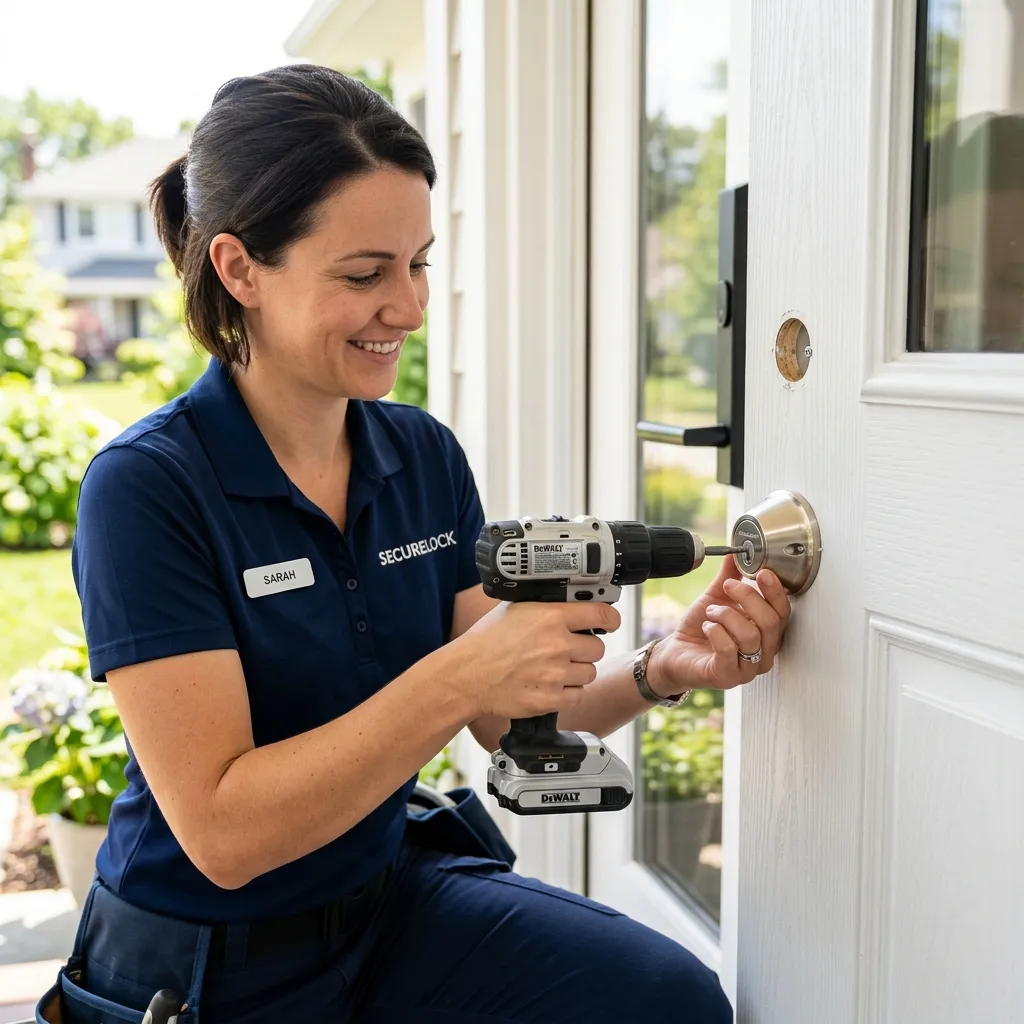
A rental turnover is a key-control event, not just a cleaning and inspection milestone. Property managers arranging lock rekeying in Oakville should document every controlled opening and coordinate changes with lawful possession and building rules.
Confirm authority and timing
Follow the lease, applicable law and the property’s turnover process. Rekey only when authorized and coordinate with incoming occupants, condominium management and other responsible parties. Do not disable a tenant’s lawful access or change shared-building systems without approval.
Inventory all keys and openings
Record the front, rear, garage-to-house and exterior utility doors. Include mailbox, storage, gate and common-area credentials where responsibility applies. Note master-keyed cylinders, restricted keys, smart locks and locks that should operate on one key.
Collect issued keys through a documented return process, but do not assume every copy has been returned. Rekeying is useful precisely because unknown duplicates cannot be counted with certainty.
Inspect hardware at the same time
Test each latch and deadbolt with the door open and closed. Look for loose trim, worn keys, sticking cylinders, misaligned strikes and doors that require force. A new key combination does not correct a mechanical defect. Separate the rekey scope from repairs and replacements so each decision is clear.
Composite field lesson
This anonymized composite reflects common turnover findings. A manager requests one front-door rekey, then discovers the unit also has a keyed garage entry and a storage cylinder held by the prior occupant. A written opening inventory prevents part of the property from remaining on the old key. No particular tenancy or property is described.
Control the new keys
Assign a key identifier, record the number issued, and state who may authorize duplicates. Avoid labels that reveal the property address if keys are lost. Store management copies securely and update any master-key or restricted-key register.
For electronic locks, remove former users, change administrative credentials, review integrations and test backup entry. Do not rely only on deleting a visible keypad code if other accounts remain authorized.
A repeatable checklist protects both operations and the incoming occupant while keeping the work limited to openings under the manager’s authority.
More Oakville locksmith resources
Start with our Oakville locksmith service guide for local coverage, service categories, and appointment preparation.