
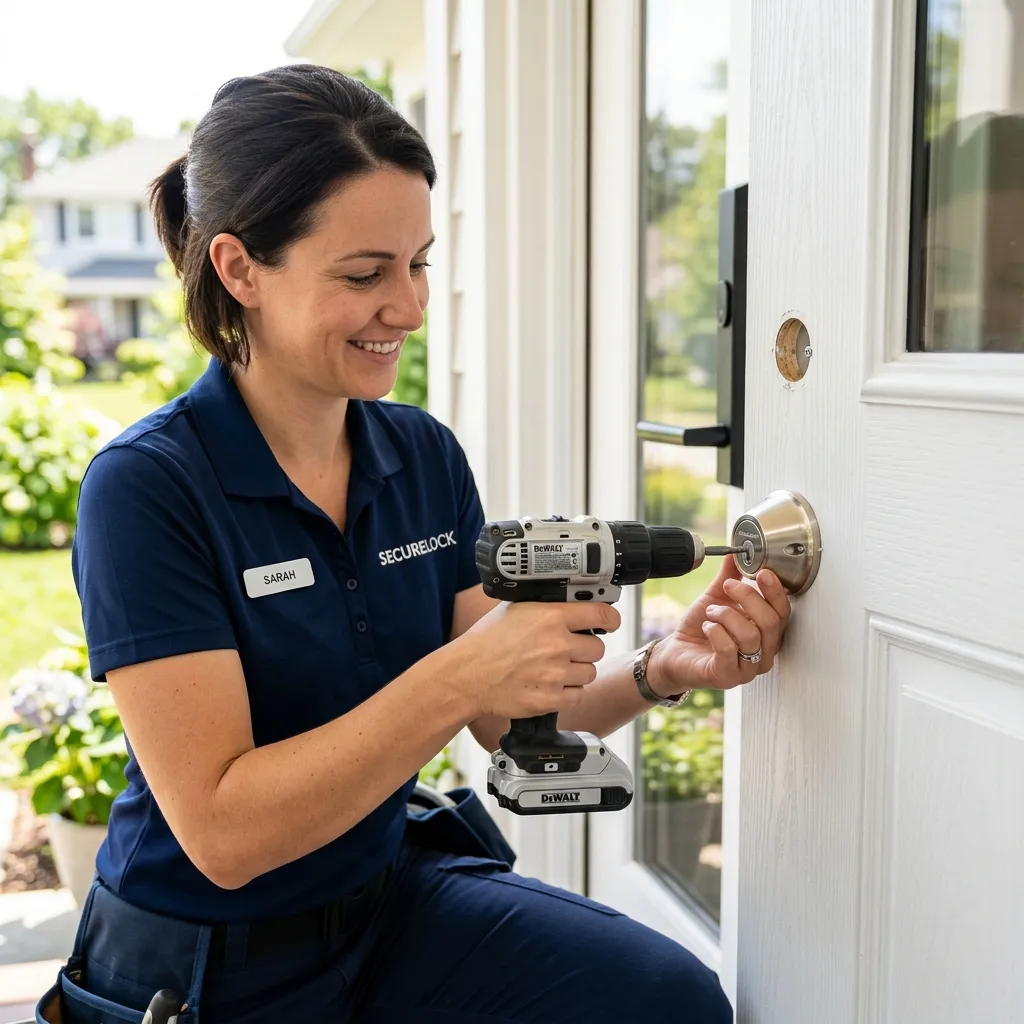
When moving into a new home, one of the first and most critical security steps you should take is changing the access keys. You never know how many copies of the existing keys were handed out to contractors, realtors, former tenants, or neighbors.
However, when you hire a residential locksmith, they will likely ask: “Do you want to rekey your locks, or replace them entirely?”
Understanding the difference between these two services helps you compare key control, hardware condition, compatibility, and cost. Neither choice alone makes an opening fully secure; the door, frame, strike, installation, and household needs also matter.
1. What Is Lock Rekeying?
Rekeying is the process of altering the internal mechanism of an existing lock so that it works with a new, different key.
- How it works: A locksmith removes the lock cylinder, extracts the old metal pins, and replaces them with new pins that align perfectly with the cuts of a brand-new key. The old key will no longer turn the lock.
- Why choose it: It is highly cost-effective because you keep the original lock housing, handle, and deadbolt. You only pay for the locksmith’s labor and the tiny replacement pins.
2. What Is Lock Replacement?
Replacing a lock means removing the entire handle, lock cylinder, and deadbolt assembly from the door and installing completely new hardware.
- How it works: The old lock is uninstalled and recycled, and brand-new hardware out of the box is fitted onto the door.
- Why choose it: You should replace locks if the existing hardware is worn out, rusted, hard to turn, or if you want to upgrade the aesthetic style or switch to a keyless smart lock.
Direct Comparison: Rekey vs. Replace
| Feature | Lock Rekeying | Lock Replacement |
|---|---|---|
| Cost | 💲 Low (saves hardware costs) | 💲💲 Moderate to High (pay for new hardware) |
| Security Upgrade | 🔒 Normal (restricts key access) | 🔒🔒 High (can upgrade to Grade 1 locks or Smart Locks) |
| Aesthetic Change | ❌ None (keeps existing handles) | Yes (updates colors and style) |
| Installation Scope | Usually retains compatible hardware | Includes fitting and testing new hardware |
Three Scenarios to Guide Your Decision
Scenario A: You just bought a house and the locks work fine.
- Often consider rekeying. If the compatible handles and deadbolts are serviceable, rekeying can make prior keys stop operating those cylinders. Compatible exterior locks may also be keyed alike so one change key operates them; that is different from a master-key hierarchy, where different keys have different access levels.
Scenario B: You want to add smart lock convenience.
- Compare retrofit and replacement options. Some products replace the deadbolt, while others operate compatible existing hardware. Confirm door preparation, alignment, connectivity, and backup entry before choosing.
Scenario C: The locks are sticking or showing signs of wear.
- Assess before deciding. Rekeying does not repair broken or heavily worn components, but sticking can also come from a worn key or door alignment. Diagnose the cause before deciding whether adjustment, repair, rekeying, or replacement is appropriate.
Need Professional Locksmith Help in the GTA?
iProtect Locksmith is a mobile locksmith service serving homes, vehicles, businesses, and property managers across the GTA. We discuss available options and estimated pricing before work begins.
If you are locked out, need locks changed, or want to upgrade your security, call our dispatch line (8 AM to 10 PM) at 📞 437-295-4001 for a fast, reliable mobile response.